Run the Shop · August 27, 2026
Processing Time: Double-Book Without the Trainwreck
While the color develops, you are being paid to wait. The gap in the middle of a service is sellable inventory, if your calendar knows it exists and you follow four rules.
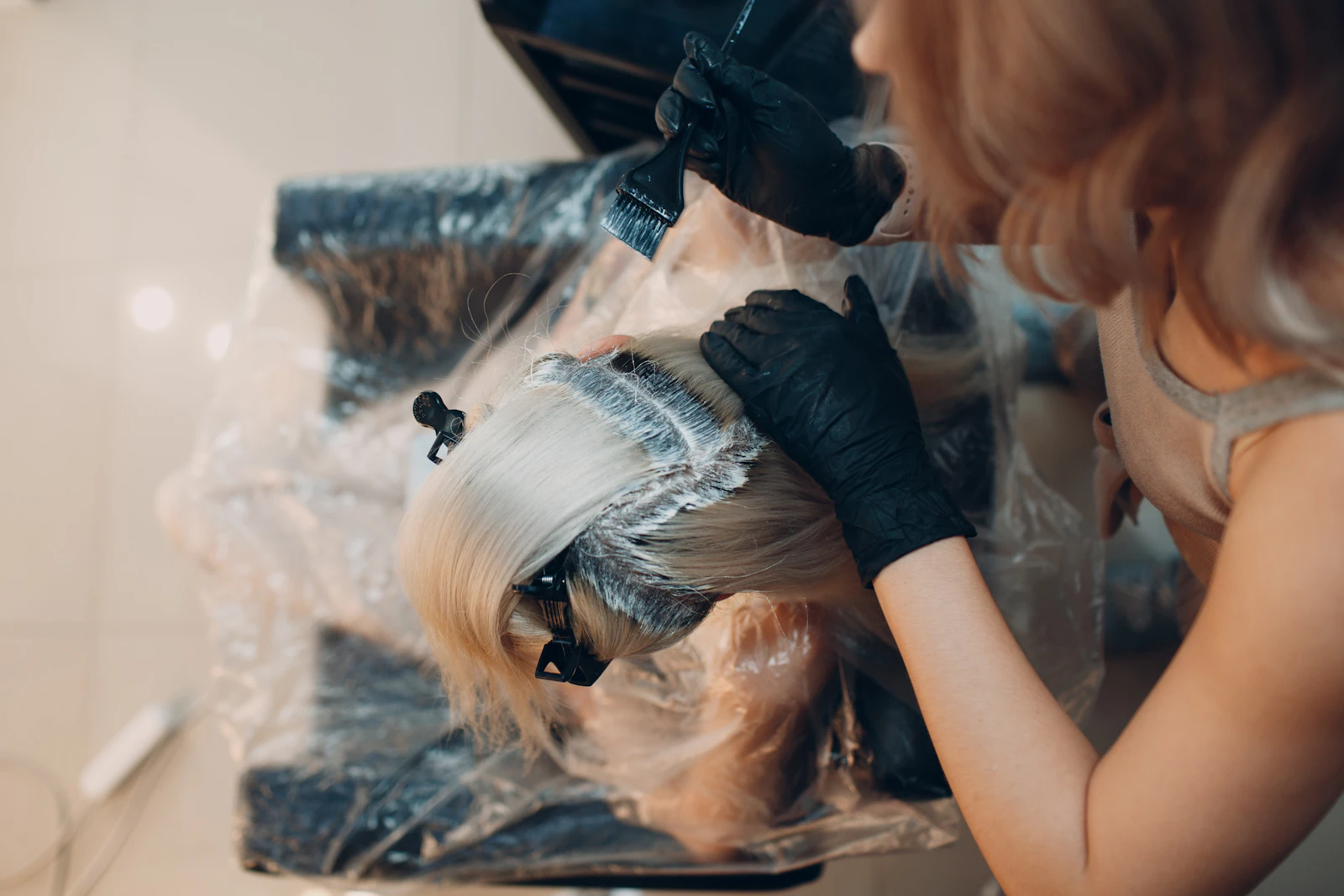
A full color has a hole in the middle of it. You apply, and then the chemistry works without you for half an hour or more. Medspas have the same hole while numbing cream sits. Perms have it. Some tattoo work has it while a stencil sets. During that hole, you are free and your calendar says you are busy.
That hole is inventory. Selling it is how a solo stylist runs a two-chair pace. Selling it badly is how you end up apologizing to two clients at once, so the rules matter more than the trick.
Rule 1: The calendar has to know about the gap
If "Full Color" sits in your book as one solid two-hour block, the gap is invisible and unsellable. Split the service into what it really is: active time, processing time, active time. Whatever you use for booking has to show that middle segment as open for the right kind of appointment, or none of this works. The same honesty that makes a booking page convert applies inside the appointment: durations that match reality.
Rule 2: Only shorter-than-the-gap work goes in the gap
The gap fits a dry cut, a bang trim, a brow shape, a fringe cleanup. It does not fit "probably quick" work. The test is brutal and simple: if the gap service runs ten minutes over, does it touch the color client's rinse? If yes, it does not go in the gap.
Rule 3: One gap client. One.
The math tempts you to stack. Resist it. A single gap appointment can absorb a small overrun with nobody noticing. Two gap appointments turn a ten-minute overrun into a cascade: the second gap client waits, the color over-processes, and the 15-minute buffer you should have after the block gets eaten before the block even ends.
Rule 4: Never gap-fill around a first-timer
A first-time color client is a consult, a strand test, and an unknown scalp. A first-time medspa client is paperwork and questions. New clients run long for good reasons, and they are also the clients forming their opinion of you. Give them the undivided version. Gap-fill around your regulars, whose timing you could set a watch by.
What fits where
| The gap | Typical length | What fits |
|---|---|---|
| Color processing | 25 to 45 min | Dry cut, bang trim, brow work |
| Toner or gloss | 10 to 20 min | Checkout, rebook, reset the station |
| Medspa numbing | 15 to 30 min | Consult for a later booking |
| Perm processing | 15 to 25 min | Bang trim, quick fringe |
Times vary by product and client; use yours, not these. The point is the structure: know the gap, sell down from it, never up.
The payoff, in one week
A stylist doing eight colors a week with a half-hour gap each has four hours of chair time hiding inside services already booked. At even one modest gap booking a day, that is real revenue added without extending a single shift, which beats every other way of fixing a slow week.
Set it up this week
| Minutes | Move |
|---|---|
| 0 to 15 | Split your processing services into active/gap/active segments |
| 15 to 25 | List the services short enough to sell into each gap |
| 25 to 30 | Decide your one-gap-client rule and tell whoever books for you |
The chemistry does not need you watching it. Your calendar should know that.